
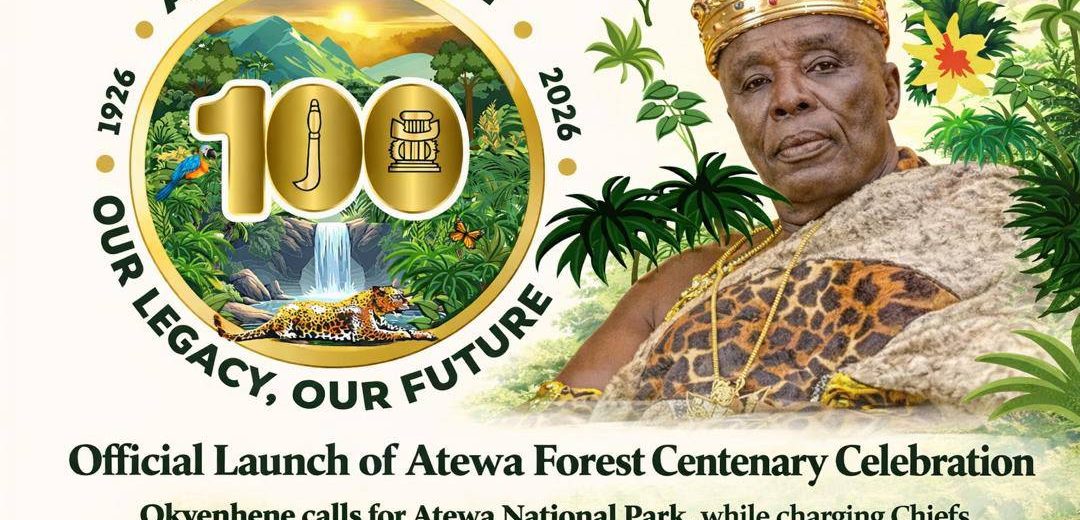
In January 1926, Nana Ofori Atta I took a visionary step that would define conservation in Ghana for generations. The gazetting of the Atewa Range Forest Reserve was an intentional choice to protect a forest whose value extended far beyond its timber and mineral resources.
One hundred years later, Atewa remains one of Ghana’s most important ecological landscapes.
Covering approximately 255 square kilometres within the moist semi-deciduous forest zone, Atewa is the country’s only remaining upland evergreen forest. It is the source of three major rivers, the Densu, Birim, and Ayensu, as well as over 99 streams that supply water to millions of people across southern Ghana. The forest also supports a rich biodiversity of national and global significance.
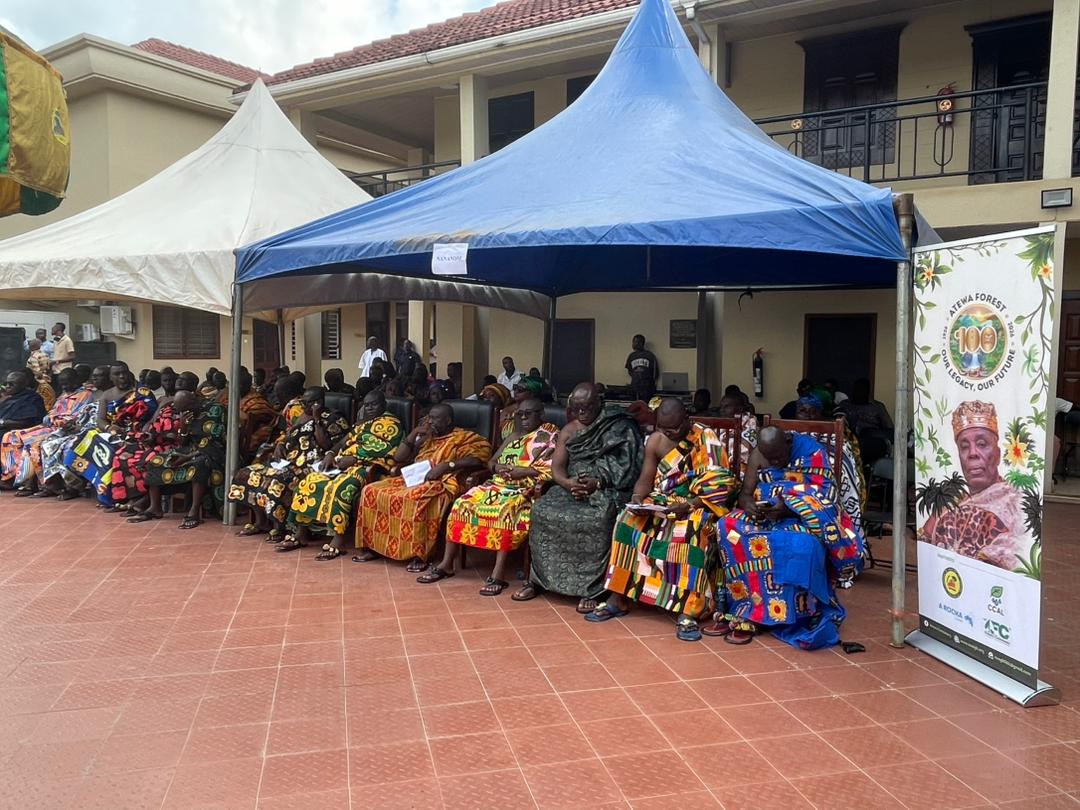
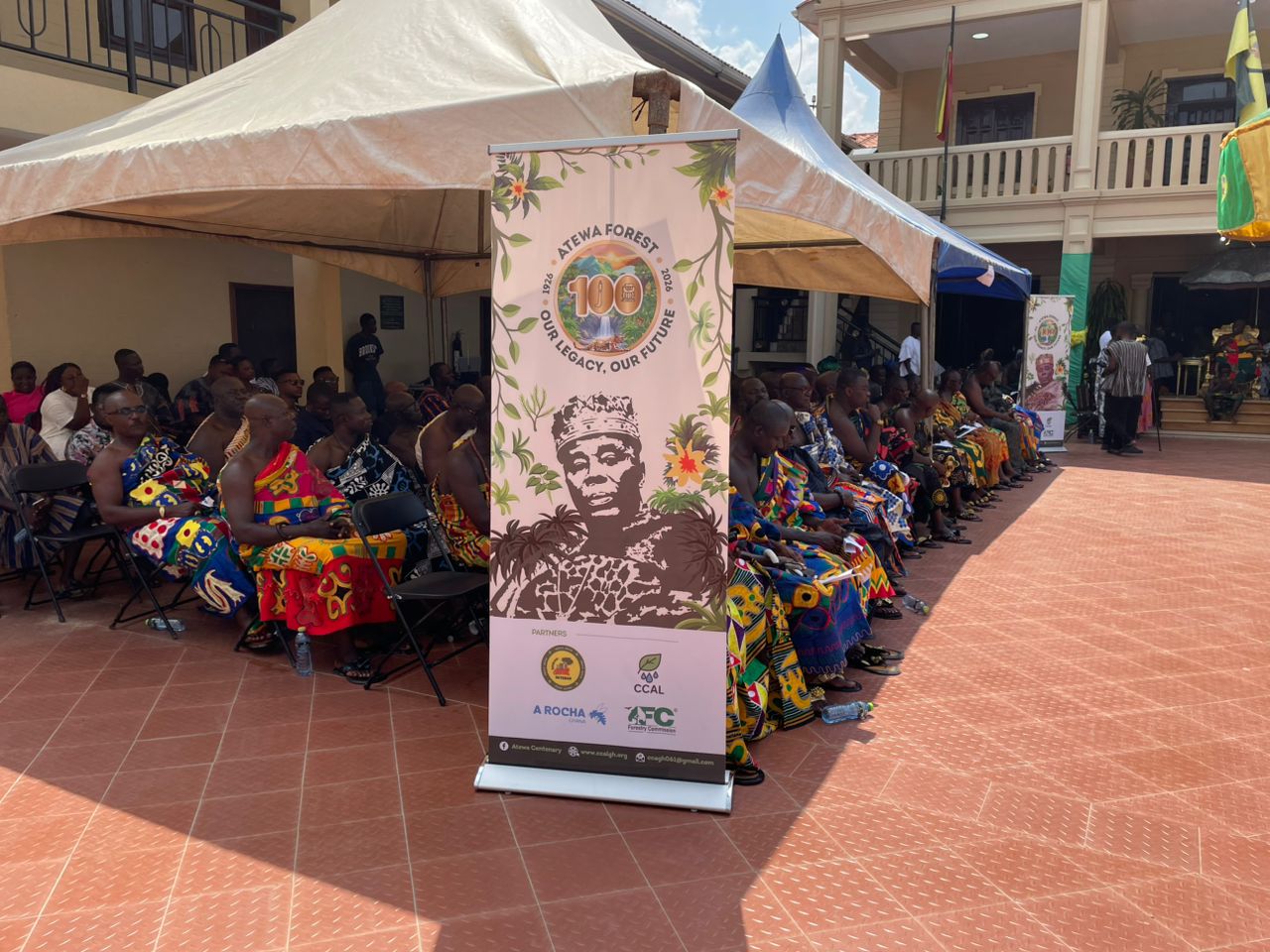
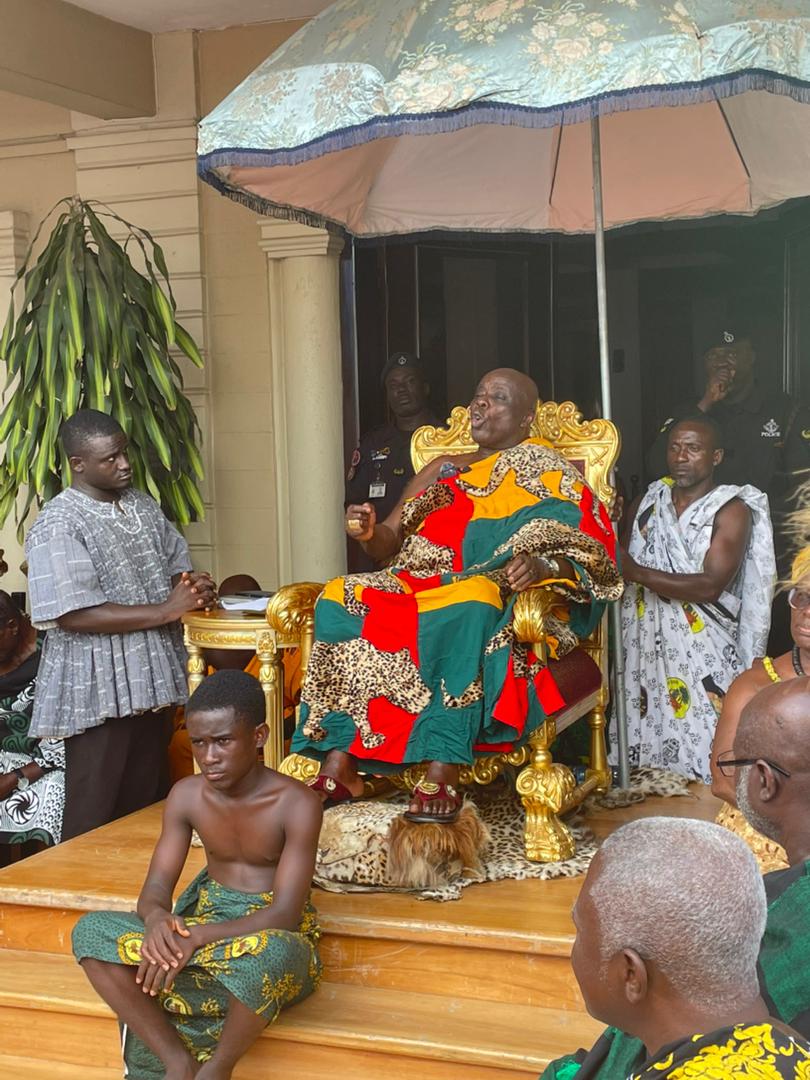
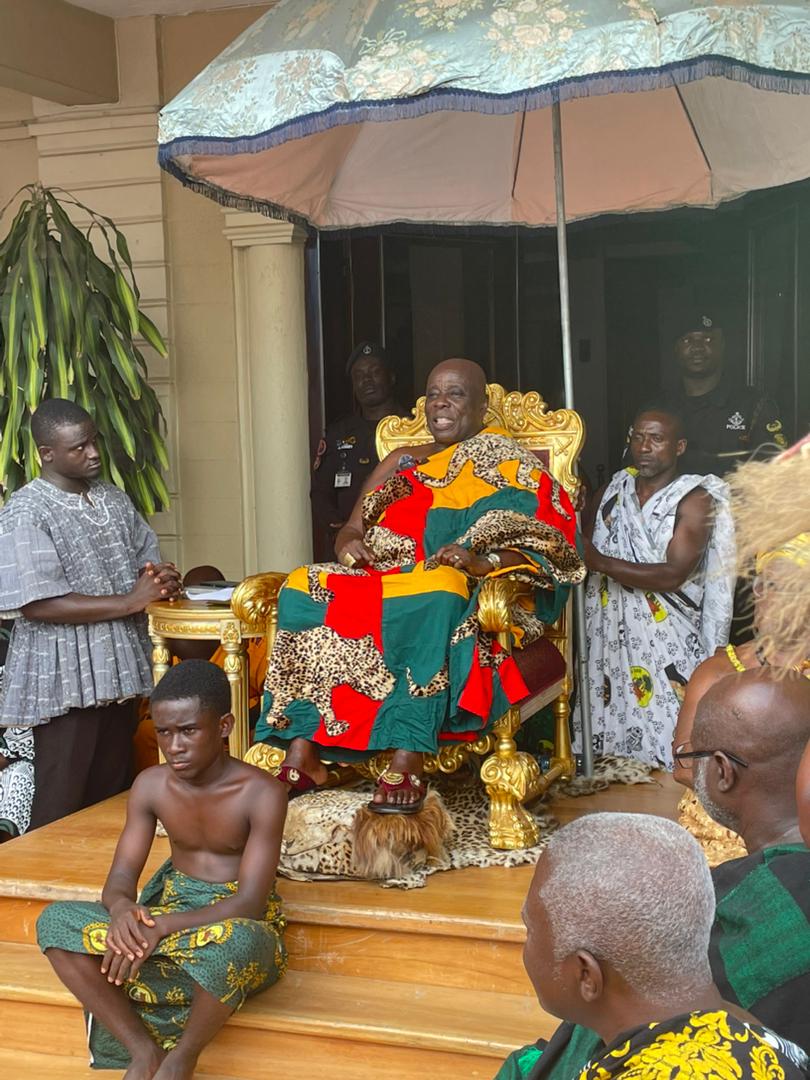
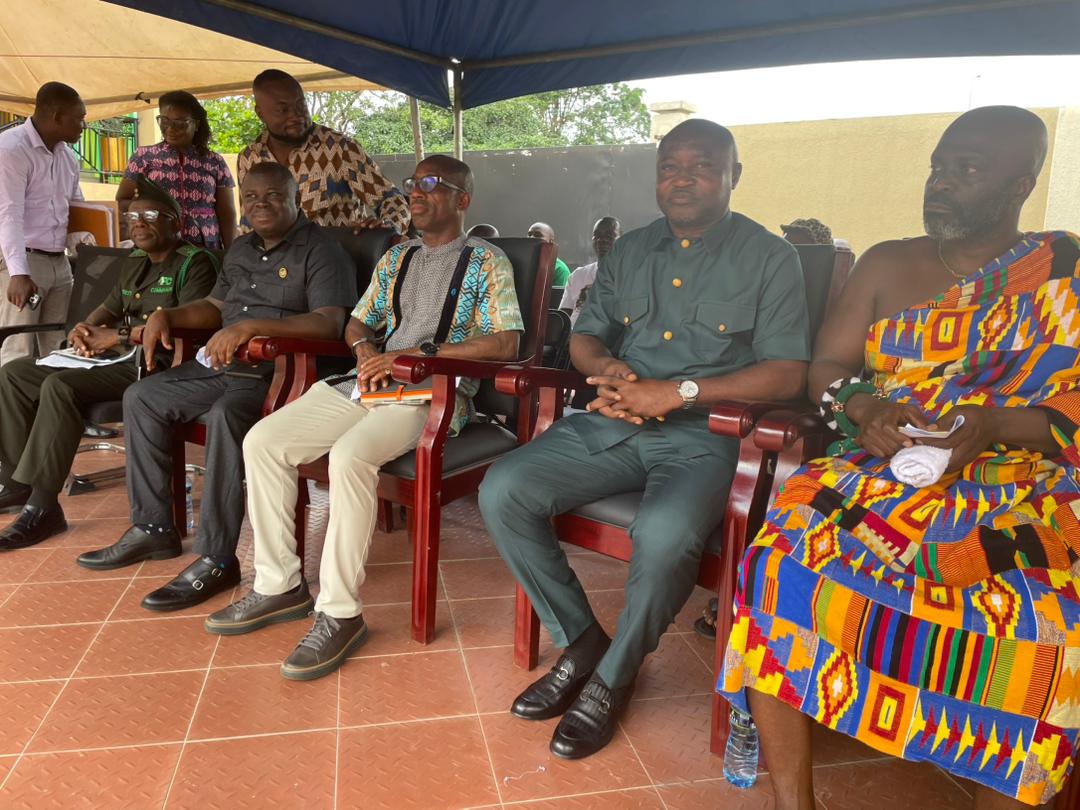
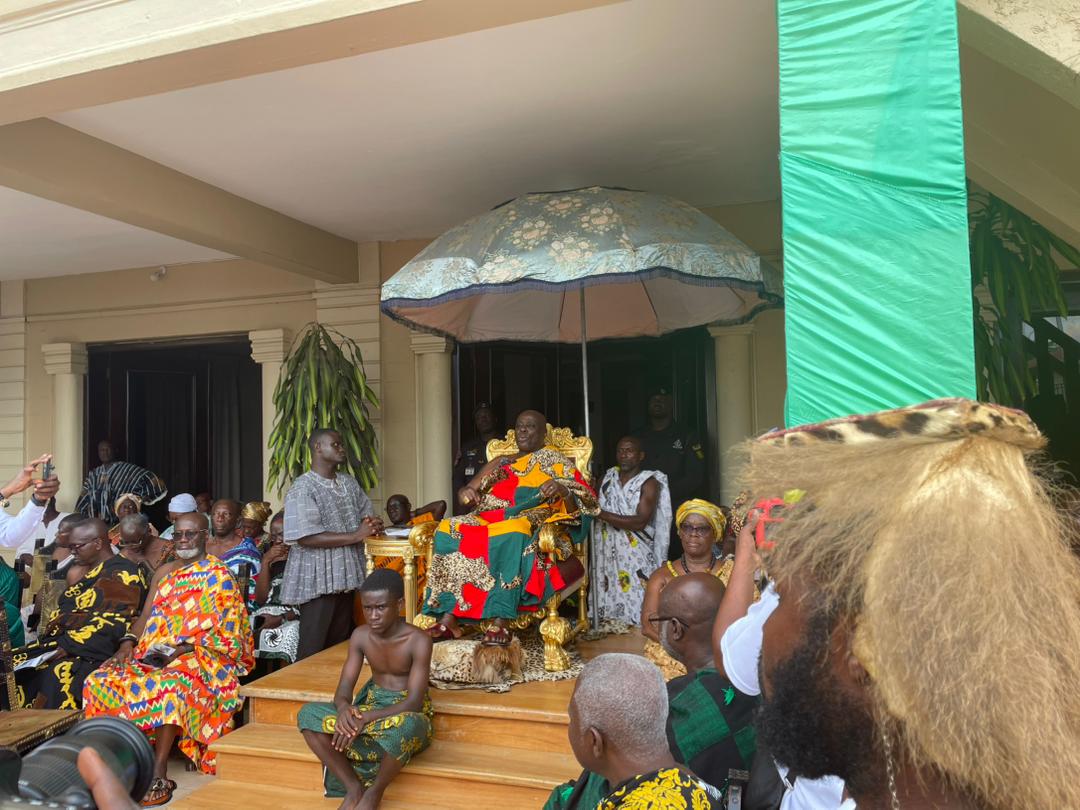
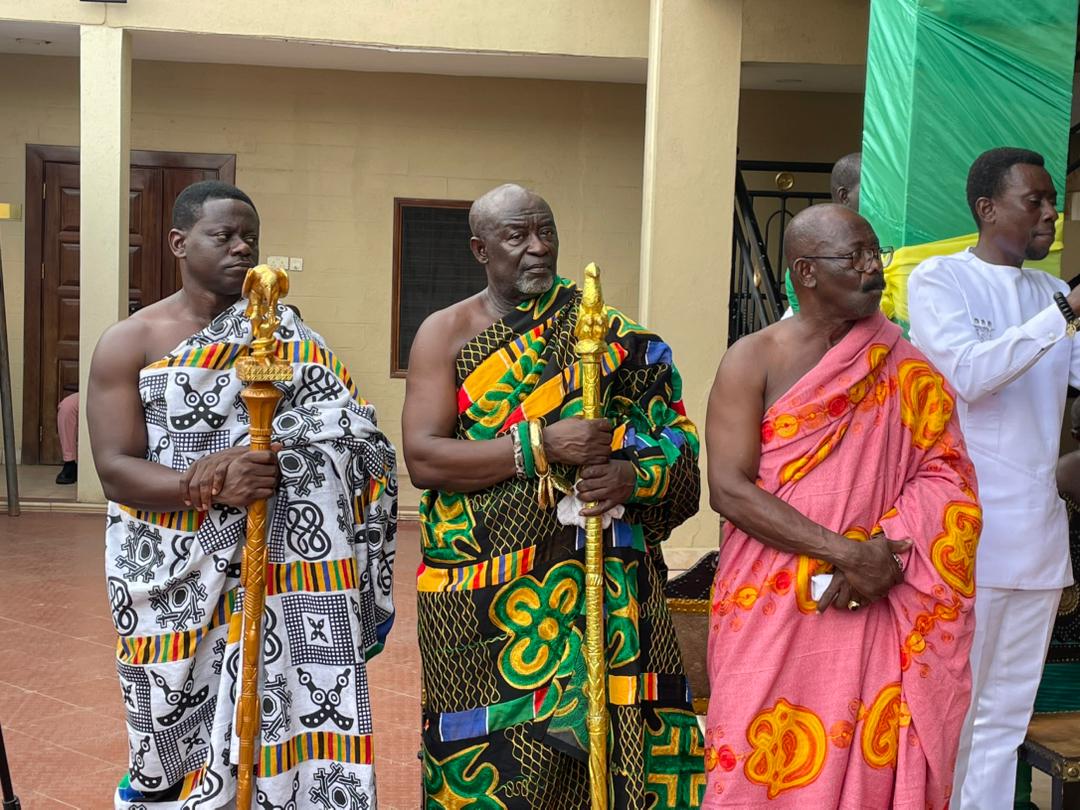
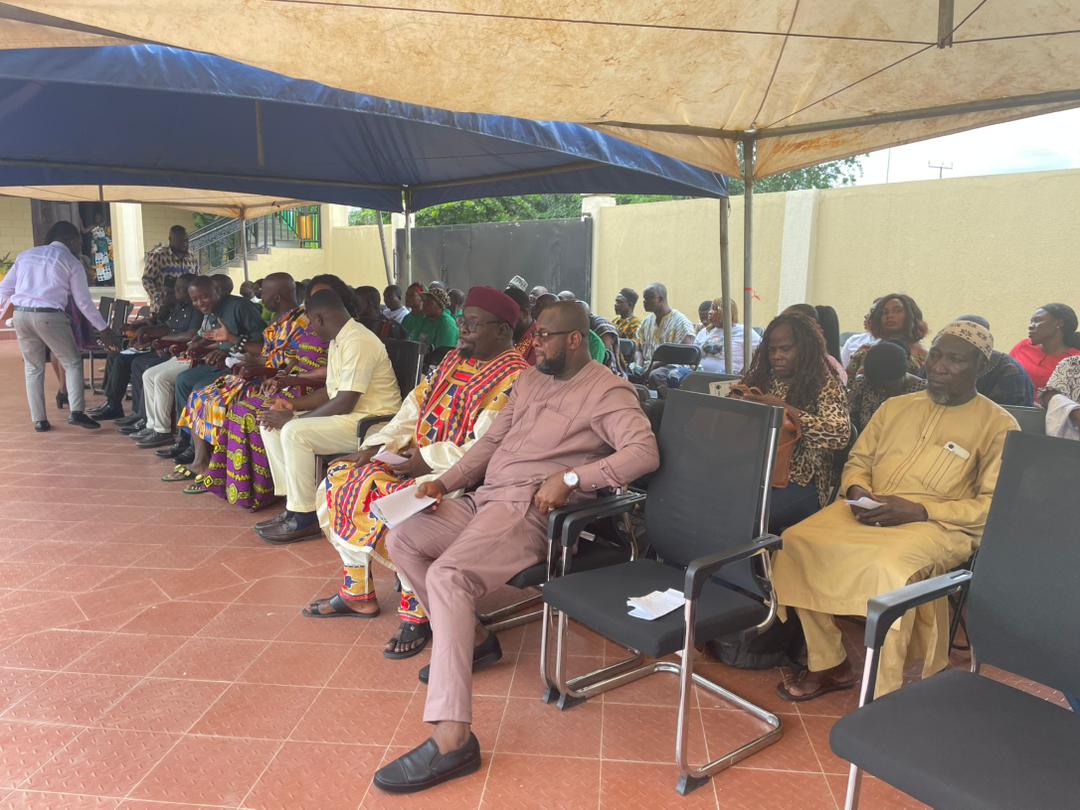
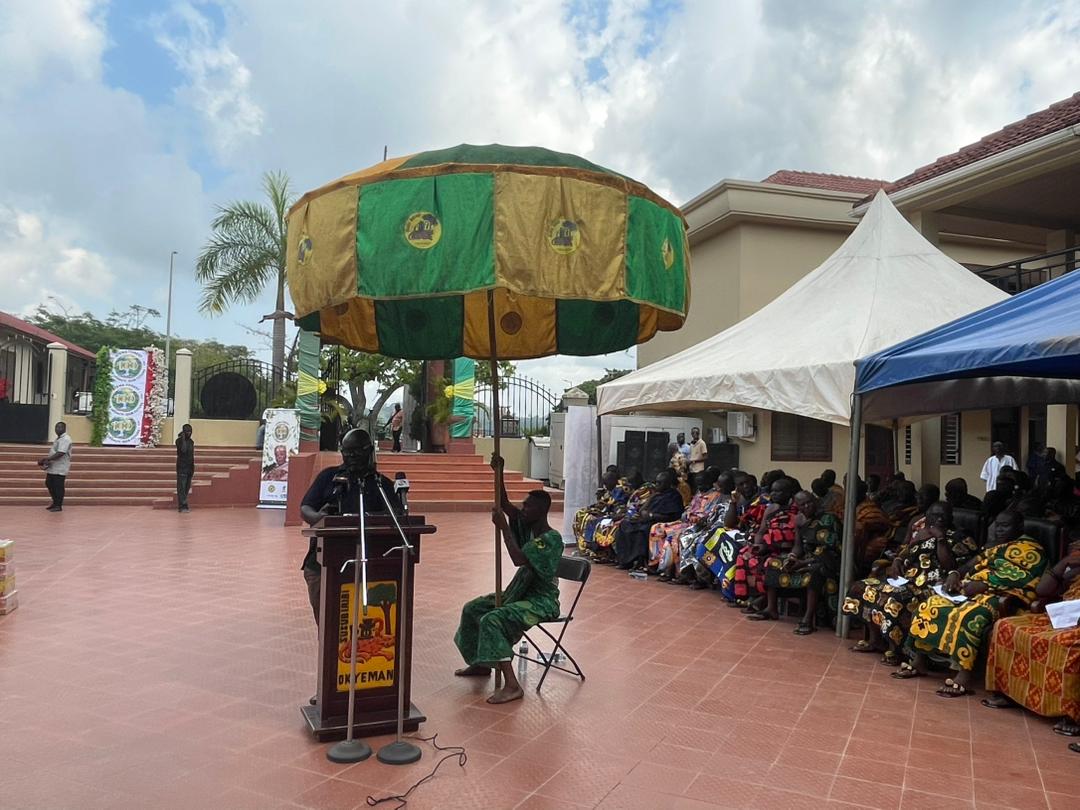
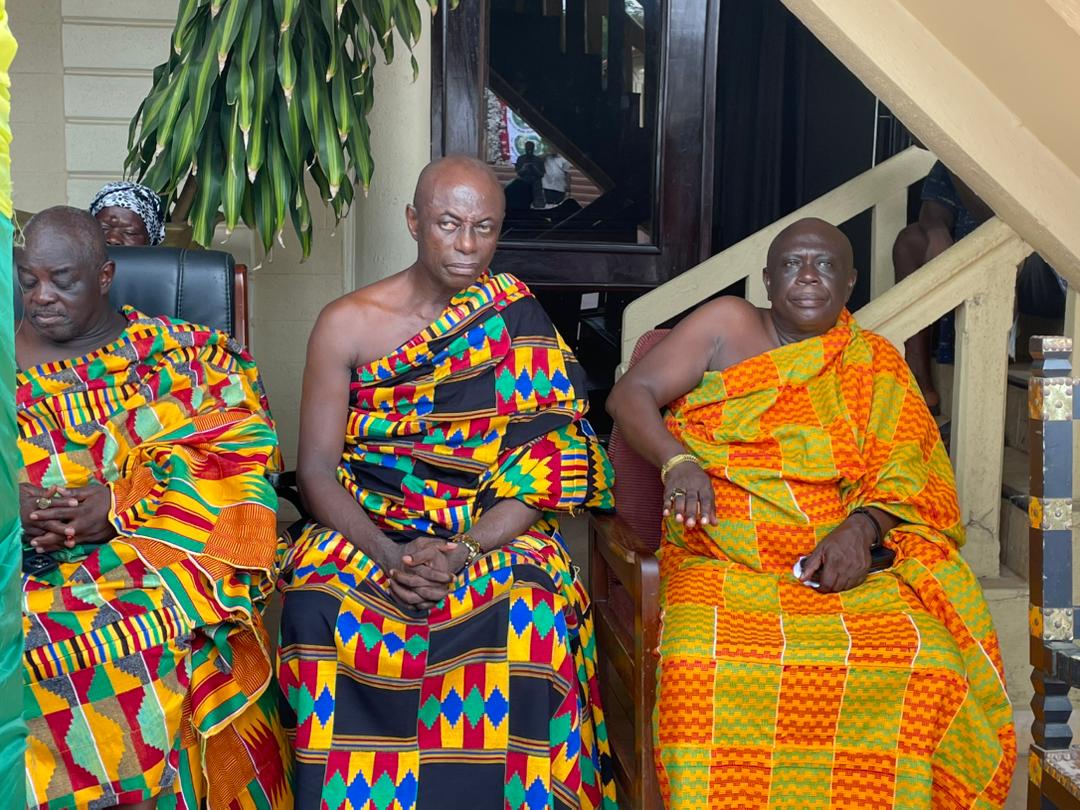
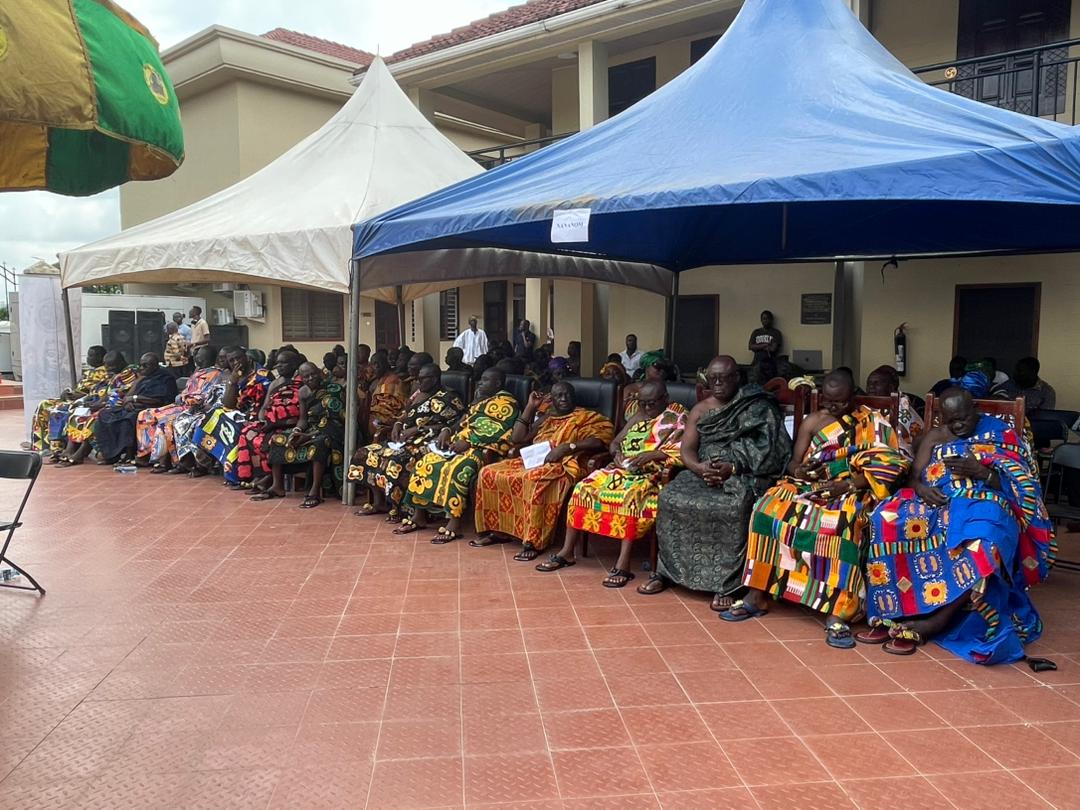
To mark this milestone, the Okyenhene, Osagyefo Amoatia Ofori Panin, officially launched the Atewa Forest Centenary Celebrations at Ofori Panin Fie in Kyebi. The launch was held in partnership with Concerned Citizens of Atewa Landscape, A Rocha Ghana, and the Forestry Commission of Ghana, bringing together traditional authorities, government leaders, civil society organisations, and communities within the Atewa landscape.
While the centenary celebrates a legacy of protection, it also highlights growing threats. Illegal mining, logging, and external pressures continue to endanger the forest and the services it provides. In response, the Okyenhene renewed his call for the Atewa Forest to be declared a National Park, a move that would significantly strengthen long-term conservation and create opportunities for sustainable development and ecotourism.
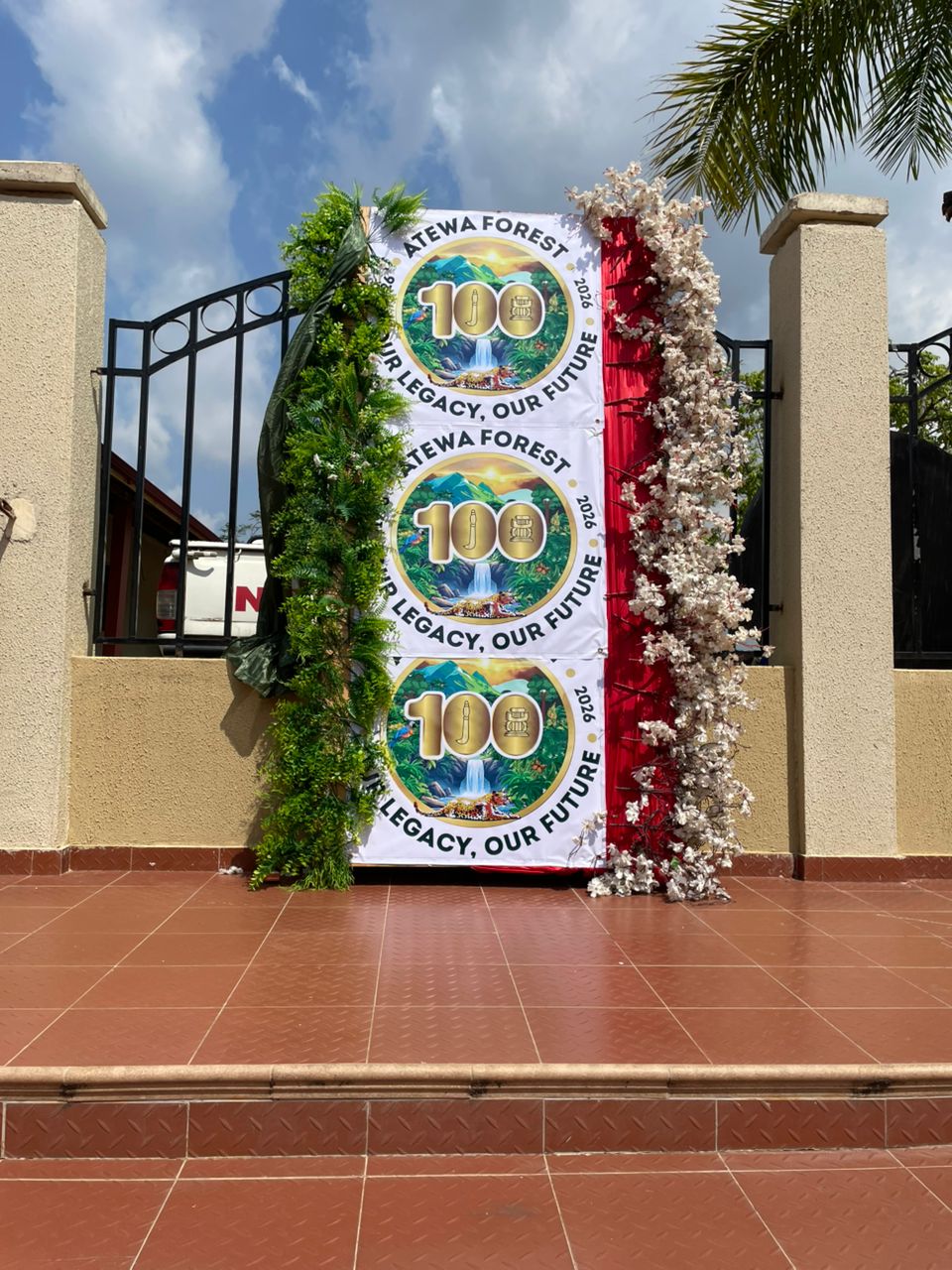
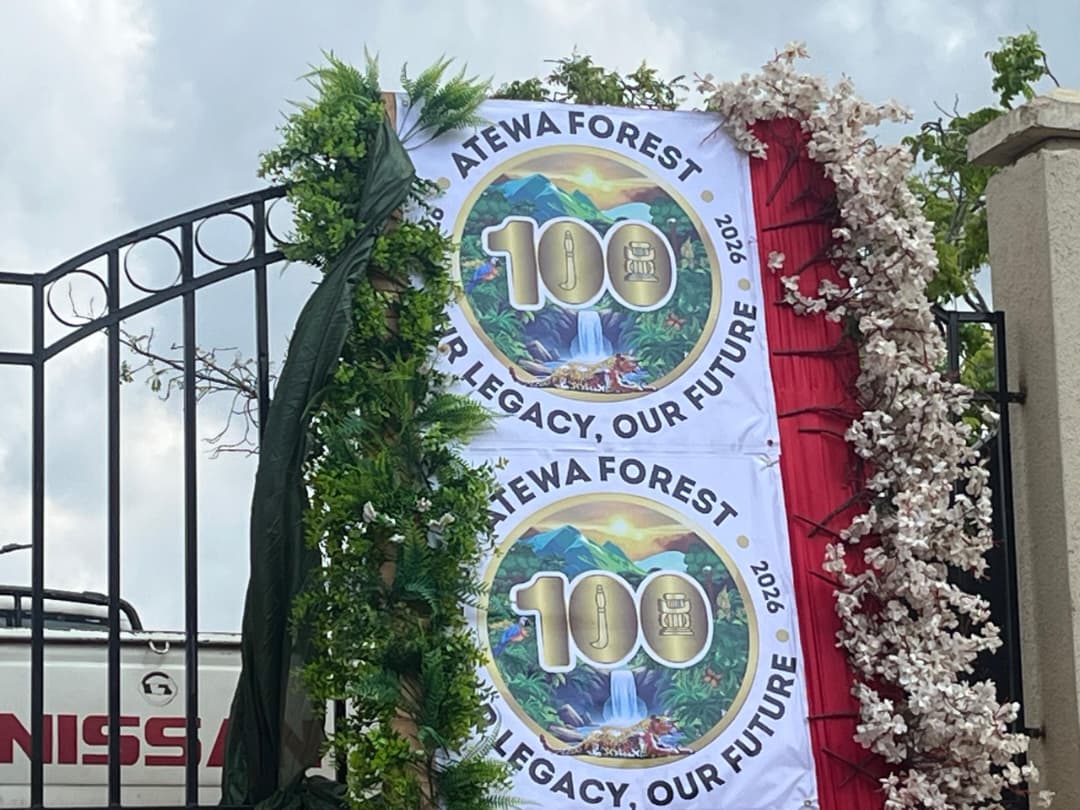
Guided by the theme “Our Legacy, Our Future”, the Atewa Forest Centenary will feature dialogues, cultural activities, educational campaigns, tree planting exercises, and policy engagement throughout the year.
Atewa at 100 is both a celebration and a moment of choice. What we protect today will determine what remains tomorrow



Leave a Reply